Understand Data Behind 8033391481, 4123869095, 3463481275, 4027033006, 9123314029, 8882031227

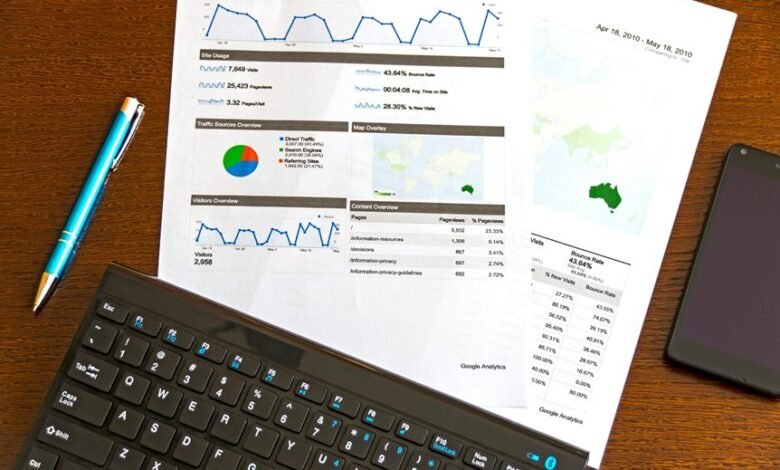
The analysis of phone numbers such as 8033391481, 4123869095, and others reveals important information about their origins and service providers. Each number is tied to specific geographic locations, which can reflect broader demographic trends. Additionally, understanding these numbers can unveil patterns that may indicate potential scams, prompting a closer examination of their use in telecommunications. The implications of this data raise questions about security and communication reliability that merit further exploration.
Analyzing the Origin and Geography of the Numbers
When analyzing the origin and geography of phone numbers, it becomes evident that each number carries significant information about its source.
Origin analysis reveals patterns in geographical distribution, indicating where numbers are assigned. These patterns reflect regional characteristics and demographics, offering insights into communication networks.
Understanding these elements enhances awareness of how phone numbers serve as identifiers within diverse geographical contexts.
Service Providers and Their Significance
Although the geographical distribution of phone numbers offers valuable insights, the role of service providers is equally crucial in understanding the telecommunications landscape.
Service reliability and customer support are essential factors that determine user satisfaction. By analyzing various providers, one can discern differences in network performance and responsiveness, which ultimately influence consumer choices and foster a competitive environment conducive to innovation and improvement.
Common Patterns and Potential Scams Associated With These Numbers
As individuals navigate the landscape of telecommunications, recognizing common patterns and potential scams associated with phone numbers becomes increasingly essential.
Notable scam indicators often include unsolicited calls, aggressive caller behavior, and requests for personal information.
Analyzing these patterns can empower individuals to discern legitimate communications from deceptive tactics, ultimately fostering greater autonomy and security in their interactions across the telecommunications ecosystem.
Conclusion
In contrast to the familiarity of personal phone numbers, the analysis of 8033391481, 4123869095, 3463481275, 4027033006, 9123314029, and 8882031227 unveils a complex tapestry of geographic origins and service providers. While some numbers represent legitimate communication channels, others may serve as harbingers of scams. This juxtaposition highlights the necessity for vigilance in telecommunications, urging individuals to discern between genuine outreach and potentially deceptive practices, thereby safeguarding their interactions in an increasingly interconnected world.