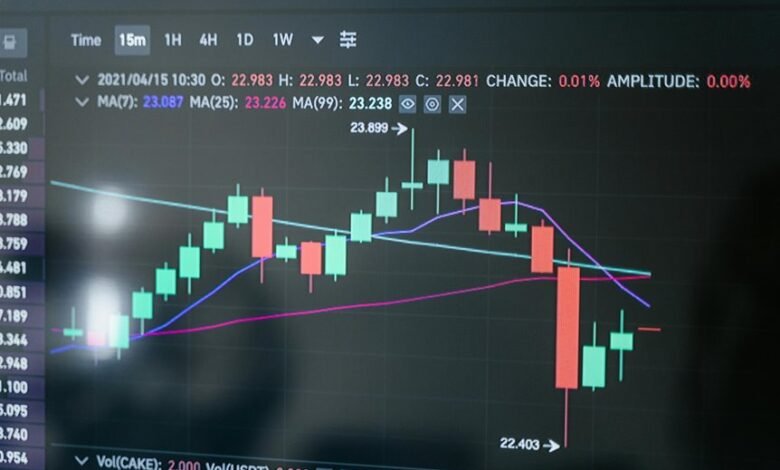
When a market crash occurs, investors often face heightened anxiety and uncertainty. It is essential to remain composed and evaluate one's investment portfolio critically. Identifying vulnerabilities can aid in developing a robust strategy. Furthermore, exploring alternative investment opportunities may provide avenues for stability. Understanding the importance of financial resilience becomes paramount. What specific steps can investors take to navigate these tumultuous times effectively?
Assessing Your Investment Portfolio
Assessing an investment portfolio during a market crash is a critical task that requires a methodical approach.
Investors must conduct a thorough risk assessment to identify vulnerabilities and potential losses. Evaluating portfolio diversification is essential to mitigate risks and enhance resilience against market volatility.
A balanced allocation across various asset classes can safeguard capital and provide opportunities for recovery in uncertain times.
Exploring Alternative Investment Opportunities
After evaluating the vulnerabilities in an investment portfolio, it is prudent for investors to consider alternative investment opportunities that may offer stability and potential growth during turbulent market conditions.
Real estate provides tangible assets that can appreciate over time, while precious metals serve as a hedge against inflation and currency fluctuations.
Together, these alternatives can enhance diversification, offering investors greater financial security.
Strategies for Financial Resilience
Building financial resilience requires a multifaceted approach that encompasses strategic planning and proactive measures.
Establishing a robust emergency fund is essential, providing a financial buffer during market downturns. Additionally, implementing budget adjustments allows individuals to optimize their spending and prioritize essential expenses.
These strategies not only safeguard financial stability but also empower individuals to navigate economic uncertainties with greater confidence and autonomy.
Conclusion
In the face of a market crash, the importance of a well-balanced strategy cannot be overstated. By assessing one's investment portfolio and exploring safer opportunities, investors can weather the storm more effectively. As the saying goes, "It's not the fall that matters, but how you rise." By prioritizing financial resilience and focusing on long-term goals, individuals can navigate economic uncertainties with greater confidence, ultimately positioning themselves for recovery as the market stabilizes.